
Poker Tells Strong Means Weak: A Veteran’s Read on the Table
I’ve spent three decades designing mechanics that sit between psychology and probability, and the pattern repeats everywhere. Poker tells strong means weak: the loudest display of confidence often hides the thinnest hand, a truth I’ve built into licensed entertainment mechanics and disciplined slot structures alike. When a player shoves chips in with theatrical certainty, the experienced eye reads it as a warning sign rather than a promise. That instinct matters just as much when you’re scanning a live table in Cairns as it does when you’re weighing which digital platform deserves your time.
How a Strong Tell Usually Masks a Weak Hand
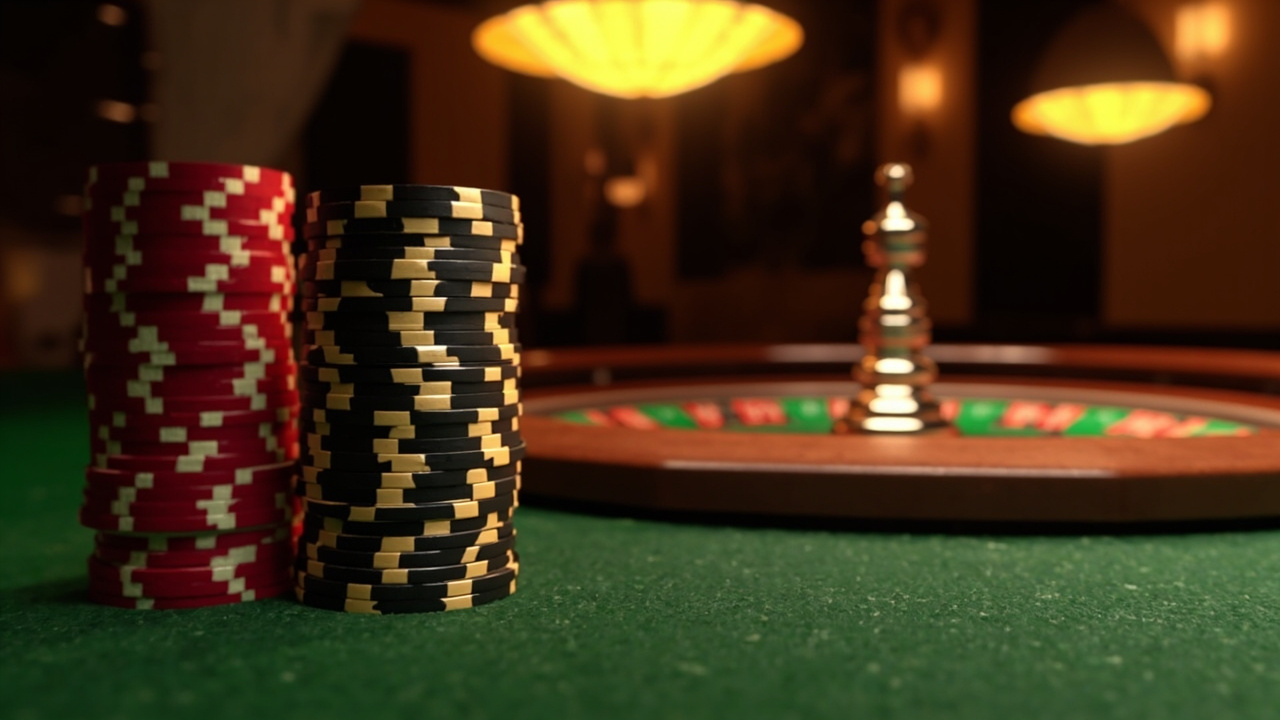
The first thing I teach new designers is that players overcompensate when their position is fragile. A heavy bet, a deliberate chip stir, or a sudden shift in posture rarely signals strength; it usually signals a hand that needs the room to fold. I’ve seen the same dynamic in airport lounge machines and convenience-store terminals, where the flashy payout screens mask return rates that run far lower than the floor averages. The visual noise distracts, and the same principle applies at a felt table. A player who leans forward, locks eyes, and pushes a stack forward is often trying to manufacture respect for a marginal holding.
You start separating signal from noise by watching what changes when the pressure arrives. Someone who suddenly becomes chatty after a raise, or who freezes mid-shuffle when the board runs out, is usually carrying something that can’t stand a second street of action. I compare it to tuning a licensed slot cabinet: the outer loop has to feel inviting, but the real behaviour lives in the timing and the pauses. A quick glance at the cards, a half-second delay before a call, or a thumb that taps the rail twice before folding – those are the moments that tell you more than the words. The table doesn’t lie, but people do, and the tells that feel strongest are usually the ones trying hardest to sell a story.
Reading the Room Without Getting Read Yourself
What the Body Actually Signals at the Felt
The most reliable reads come from what a player does when they think nobody is measuring them. A relaxed shoulder after a check, a casual chip placement that doesn’t change with the street, or a steady breathing pattern through a scare card – those are the markers of a hand that can weather the next round. I’ve watched Cairns locals play through a long Saturday arvo session, and the ones who stay quiet and keep their rhythm are usually the ones holding something that can see a turn. The theatrical players are the ones you want to give room, because their energy is often a cover for a line that breaks under pressure. spin samurai casino review
When a Raise Is a Bluff and When It Isn’t
A raise that comes early, with a clean stack and no hesitation, often means the player has shape they’re willing to build on. The difference shows up on the next street: a genuine strength keeps the tempo, while a manufactured threat starts negotiating. I’ve applied the same read in slot design, where a bonus trigger that feels too eager usually hides a tighter underlying return. If a player raises, pauses, then starts explaining the action out loud, the story is usually louder than the cards. If they raise, act, and let the chips sit without commentary, you’re often looking at a hand that wants to keep the pot moving.

Keeping Your Own Story Quiet
The moment you start performing your own tells, you hand the room a map. I always tell designers and players the same thing: consistency beats theatre. Keep your chip handling the same from one street to the next, don’t change your posture to match the strength of your hand, and let the action do the talking. A quiet table presence is harder to read, and that’s the point. You don’t need to be invisible, just predictable in the ways that matter. The players who win long sessions are the ones who stop selling a narrative and start reading the ones already on display.
Who This Read Works For at the Table
This kind of read suits someone who’s already comfortable with the basics and wants to stretch their edge without turning every session into a mind game. If you’re the sort of player who likes to sit a hand, watch the rhythm, and make a measured decision rather than chasing every stir, the strong-means-weak pattern will feel familiar. It’s less useful for anyone chasing a quick thrill from a single big bluff, because that style depends on volume and noise. The same approach also helps when you’re comparing where to spend your time, because the platforms that reward patience and clear mechanics tend to line up with the players who can actually use a read. If you want to see how a local-facing room stacks up on usability and everyday play, the spin samurai casino review lays out the practical details without the usual noise.
The real value comes from treating tells as one input among several, not a crystal ball. A solid read on a weak hand can save you a bad call, but it only matters if you’re already playing the odds with discipline. I’ve built games around that balance for years, and the sessions that last are the ones where psychology and mechanics stay in proportion. Play the player, yes, but never forget the cards are still doing the final work.